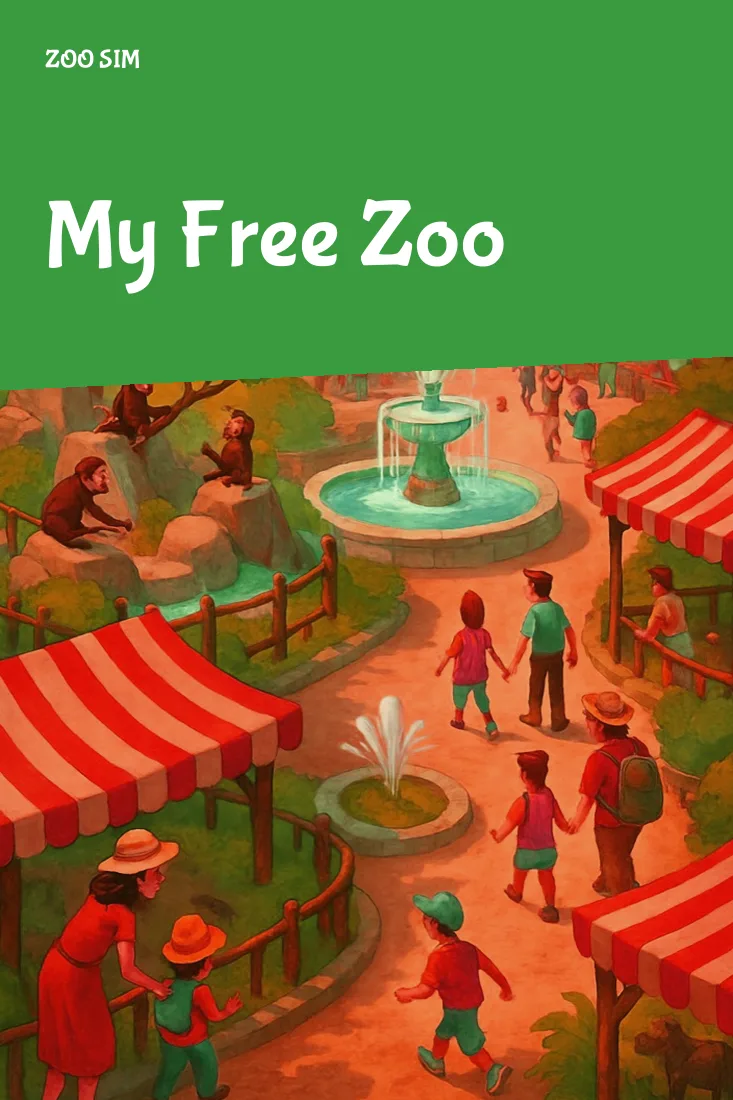
If Zoo 2 is a novel, My Free Zoo is an encyclopedia. You are the director of a new park, and the brief is simply to build the zoo you would want to visit. There is no ticking deadline, no mayor and no rescue plot. Instead there is an enormous roster of animals, a flat, readable top-down view and the freedom to lay out enclosures and paths however you like. For a certain kind of player, that freedom is the whole attraction.
We spent seven weeks with it and found it at its best as a long, slow collection project. Enclosures need cleaning, troughs need filling and animals want to be played with, so there is always a gentle round of care to do. But the real hook is the next species, the next rare variant and the next corner of the park waiting to be redesigned. Upjers has kept adding to it for years, and it shows.
A white gorilla, a blue flamingo and hundreds more
The roster is the headline. Classic zoo animals such as giraffes, elephants and lions sit alongside far more unusual creatures, and many species come in rare colour variations: Upjers mentions a white gorilla, a blue flamingo and a brown panda. Tracking down those variants becomes a quiet obsession, the way some people collect stamps. We knew we were hooked when we began planning entire enclosures around animals we had not yet obtained.
Each species needs a suitable enclosure, so collecting is never just a list. Savanna, mountain and water enclosures sit next to an aviary for birds, and the specialist houses, among them the Aquarium, the Terrarium and the Amazon House, cater to animals that cannot live in an ordinary pen. Fitting all of that onto your land while keeping the paths sensible is a satisfying puzzle in its own right.
Troughs, play equipment and the daily round
Care in My Free Zoo is physical and visible. Enclosures need regular cleaning, feeding and water troughs need filling, and animals enjoy play equipment, which you install and keep stocked. It is a small daily ritual rather than a test, and once the park grows you can hire zookeepers to look after the animals and gardeners to keep the grounds tidy. That handover is one of the more satisfying moments in the game’s long middle.
We found the routine pleasantly low-stakes. A busy day that kept us away did not wreck anything, and catching up took a few minutes. That is why the pacing score is high. The economy beneath it is simpler than the farm games on our list: animals and visitors bring income, income buys more animals and decorations, and the loop rarely asks for hard trade-offs. It is calm by design.
Restaurants, souvenirs and keeping guests content
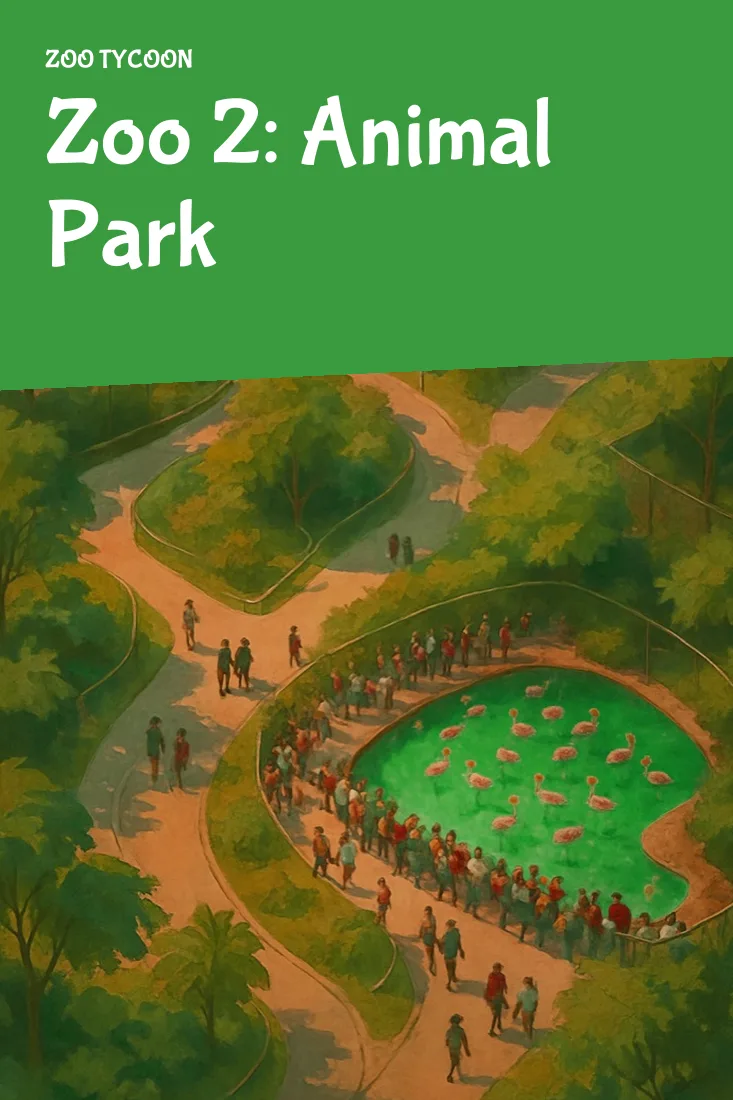
Visitors need more than animals. Restaurants, souvenir shops and other facilities have to be placed where guests will actually use them, and a poorly planned park leaves people wandering hungry past the giraffes. Thinking about foot traffic is the closest My Free Zoo comes to a planning puzzle, and it is a rather enjoyable one: we rebuilt our main avenue three times before the snack bars and shops sat where they truly belonged.
This is also where the layout freedom shines. Paths can go anywhere, and thousands of decorations let you turn functional spaces into something personal. One of us built a winding northern trail of conifers and boulders that looked suspiciously like Algonquin in early November. It served no economic purpose at all. It was also the part of the park she was proudest of, which says a lot about this game.
Expeditions, fossils and a museum of lost species
The late game adds variety. Expeditions send you out to explore different regions in search of new animals, and the Natural History Museum lets you collect fossils, piece them together and research extinct species. The museum in particular gives the collector’s instinct a second outlet, and assembling a skeleton bone by bone is oddly absorbing after weeks of feeding the living animals. It feels like a well-earned reward.
Guilds, chat and friend visits keep the community close, and guilds take part in competitions together. Regular updates add animals, buildings and decorations, and seasonal events give the year a rhythm. Our main reservation is that the steady drip of new content can make the park feel endlessly unfinished, which some players love and others find tiring. Decide which camp you are in before you commit a winter to it.
Your opening week in My Free Zoo
- Build a few enclosures for common animals before chasing exotic ones, so income starts flowing early.
- Clean enclosures and fill troughs at every visit; the routine is quick and keeps animals happy.
- Place your first restaurant near the entrance path, where every visitor walks past it.
- Leave space beside each enclosure for future expansion instead of packing everything tightly.
- Visit a few established parks to borrow layout ideas before you commit to permanent paths.
What wears thin
- The economy is simple and rarely asks for difficult trade-offs
- Older top-down art looks dated beside Zoo 2’s detailed 3D parks
- Constant new content can leave the park feeling permanently unfinished
What keeps us coming back
- An enormous roster, with rare colour variants that make collecting genuinely exciting
- Total freedom over paths, enclosures and decorations across a large park
- Specialist houses and a fossil museum that add fresh goals in the late game
- A forgiving care routine that never punishes a missed day too harshly
Who will settle happily into My Free Zoo
Collectors, decorators and anyone who daydreams about designing their own zoo. It suits relaxed players who want something to tend each day and a big project to shape at weekends. Planners seeking a tight economy will want something from the farm side.
Where we land on My Free Zoo
My Free Zoo is less a game you beat than a place you build, one enclosure at a time. Its roster is vast, its layout freedom is the best on our list alongside My Little Farmies, and its late-game museum and expeditions keep collectors busy for months. The economy is light and the art shows its age, but as a long, peaceful hobby it is very hard to fault.